


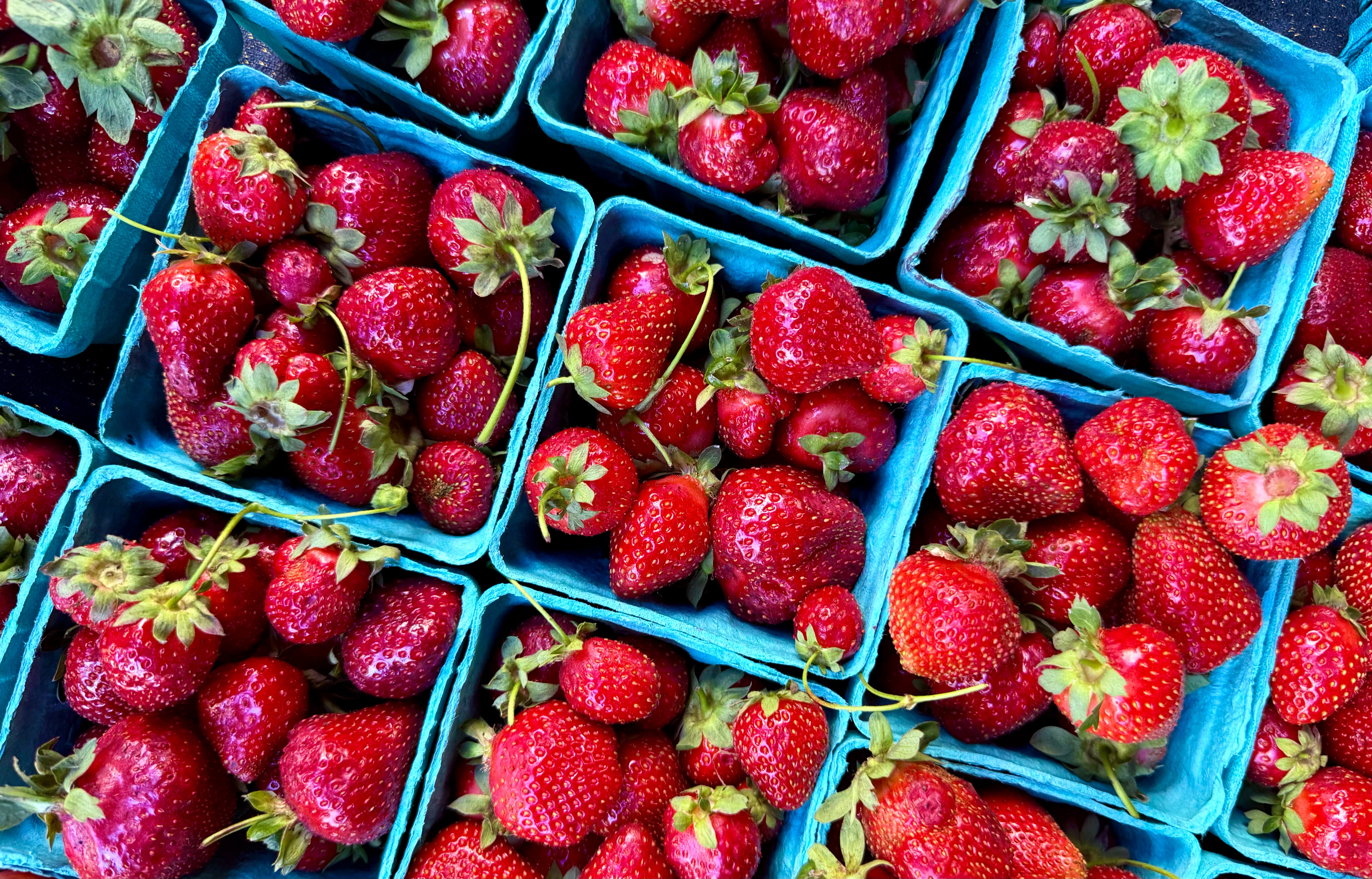
I walked through the farmers’ market at Union Square this past weekend and just watched. The farmers and their tables, the crops doing their best to show up and show off after a long string of difficult weather and a tough growing season...it’s strawberry season in this region, and a pint of those tiny berries is going for $8, a quart is $15. And we’re already bracing for a dismal peach harvest from farms in Jersey after an unseasonably warm spring caused early blooming, and then a bait-and-switch frost came through and killed the crop before it could even get started. For even the most intentional shopper who wants to support local and seasonal AND also actually feed her family, the reality is getting damn near impossible.
Long gone are the days of my $100/week grocery budget, the one I used to stretch across almost two weeks and feed a family of three pretty easily and well enough. Even at the regular grocery store, a head of cauliflower was literally $9 the other day...for ONE HEAD. Don’t @ me about cauliflower, you have to zhuzh it up just to make it edible and it’s NINE DOLLARS. Everything is climbing at once, and most of us are carrying that weight before we’ve even thought about cooking.
The number on the register screen is doing something to our bodies that goes way beyond the math. As that total climbs, as we watch our $100 do very little, doing rapid subtraction in our heads while the line moves behind us and we still don’t have everything we came for...our nervous systems are already ablaze. Our bodies don’t sort threats by category. They read the grocery store math as danger and respond accordingly, which means we get home already carrying a heavy cortisol load, already depleted, before we’ve even touched the stove once.
I remember my first weeks of single motherhood after Jay and I separated, and I moved out. I was making the most money I’d ever made in my adult life, finally doing it as a Head Chef, but as a single mom paying New York City rent and bills on my own, my food budget was almost non-existent. On the weeks I didn’t have Millie, I subsisted on coffee, cereal, and whatever I could eat at the restaurant. But the weeks I had her, I had to make sure there was actual food in the apartment, real food, enough.

The negotiations I had to make at that grocery store each week were brutal. Do I stick with bread, fruit, and some vegetables this week, or can I spring for chicken? Millie needed her Zbars for school and her fruit snacks, but I couldn’t get both on any given week. I was a professional chef who was learning more about food than most people I knew, and there I was...week to week, standing in the checkout line doing the same math we are all being forced to do right now, putting things back, carrying that weight and scarcity mindset home.
We’ve been told, for decades, by an industry that profits directly from this narrative, that the solution to a nervous system running too hot is an expensive one...supplements, turmeric powders, and adaptogens, morning protocols that take thirty minutes and a disposable budget to put it all together. The wellness machine has spent enormous energy convincing us that regulation is something you have to purchase in small jars and packets and subscriptions, and most of us have believed it, because the alternative is a body out of whack.
Here’s what I’ve come to learn working in professional kitchens, from cooking through a long service when there was almost nothing left to give...when I was running on fumes, and it was still my job to feed people: our nervous systems simply can’t tell the difference between an $80 jar of ashwagandha and a well-salted bowl of lentils. What your body is looking for when it’s in alarm mode is metabolic safety...enough food, enough protein, enough warmth, enough fat to carry you through the next few hours. I mean, think about it...that signal has cost less than a cup of coffee for the entire history of human cooking.
The most effective nervous system foods on earth are, almost without exception, the cheapest things in the store.
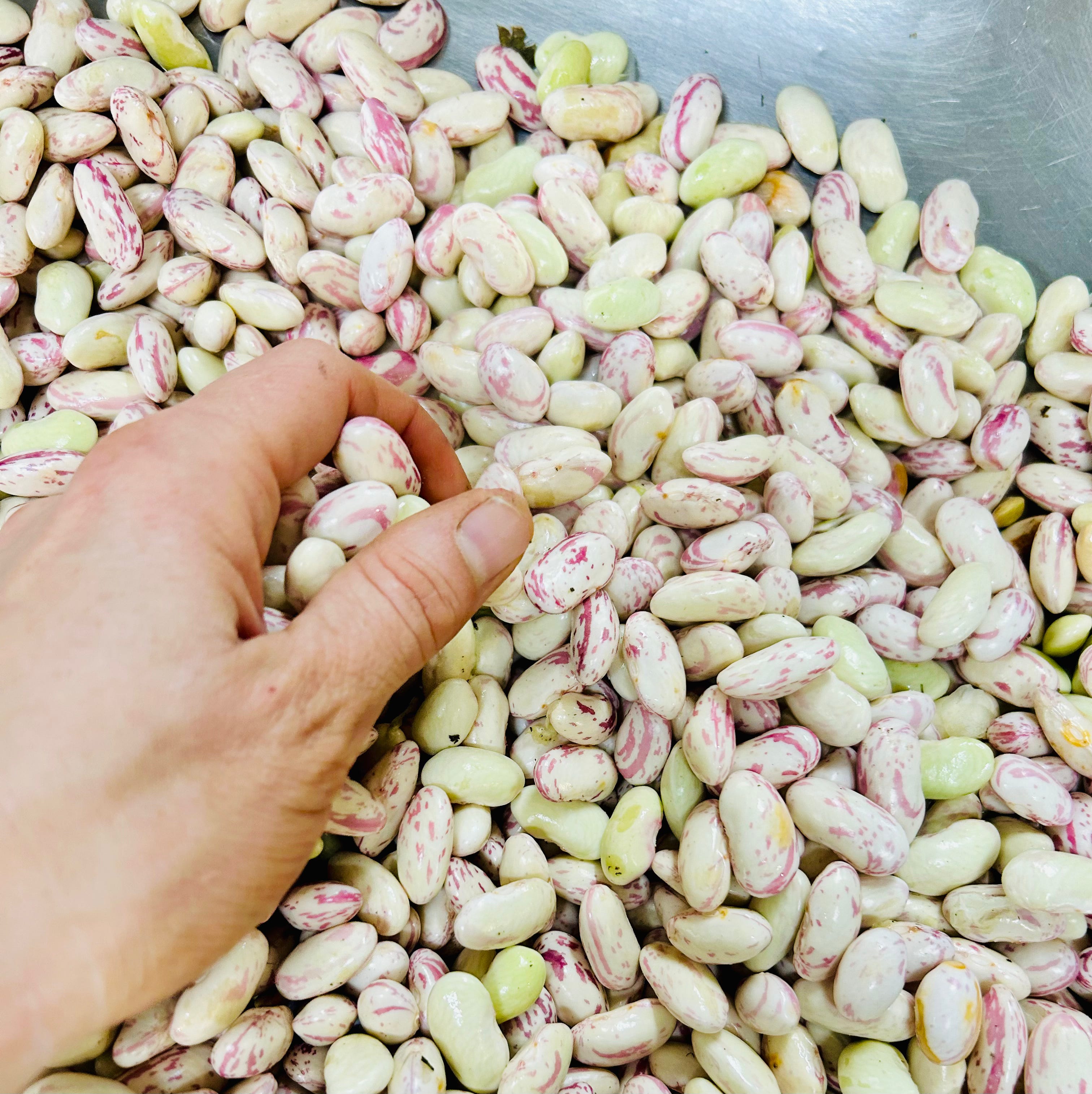
Here are the ten things I started keeping on hand when my dollar needed to stretch beyond anything I thought possible, and what I still keep now, because it turned out these were the right things all along:
Lentils are where I start. About $4 a bag and twenty-five minutes on the stove, and they deliver more complete nervous system support than anything in the supplement aisle...B vitamins, iron, protein, and fiber, all in one pot. Your brain burns through B vitamins rapidly under stress, and most of us are running lower than we’d guess. They’re hearty, they rock my face off when tossed in a cold salad with vinegar, they stretch to feed you for days, and they have never once let me down.
Eggs. I’ve mentioned them in nearly every post in this series because, well…as you all know by now, I’m literally obsessed. They’re around $5 for a dozen, complete with protein and packed with choline (the golden raw material your brain uses to produce its own calming signal). Eggs are life, and if there are eggs, then there’s always a meal in the house.
Canned sardines. Don’t freak out on me…I know they might sound like a massive, immediate NO, but hear me out. They’re under $3 a can and a bigger hit of omega-3 fatty acids, calcium, and protein than almost anything else at that price. Omega-3s are the actual physical building material for your brain cells, and chronic stress depletes them faster than most of us realize. I like to throw them on a skillet to give a little quick sear (1-2min), then mash on toast with a smear of mayo, a sharp line of mustard, and a heavy squeeze of fresh lemon is a complete meal that feels like an internal anchor…and good gracious, they’re delish…try them once.
Rolled oats run about $5 for a bag that lasts weeks…slow-releasing and loaded with prebiotic fiber that feeds the gut microbiome...which means they support your serotonin production and nervous system stability on a timeline that outlasts most other breakfasts. They hold, and so can you.
Frozen spinach gets no respect and deserves more. My mom knew something I had to learn the hard way: fresh goes bad before you can use it, turning into green liquid regret in the bottom of the crisper drawer. Frozen is there when you need your magnesium and folate, zero waste, and no expiration anxiety. Magnesium runs low during chronic stress, and most of us aren’t getting enough. Frozen spinach is the most unglamorous solution to that problem, and it works every time.
Beans…dried when you can, canned when you can’t. A pound of dried beans costs under $3 and makes three or four cans’ worth of chickpeas, black beans, cannellini, whatever’s on sale. The fiber feeds your gut, the protein steadies your blood sugar, and they go in everything...on a sheet pan with olive oil and salt, stirred into rice, smashed onto toast, dropped into broth. For dried: soak them overnight in cold water, drain in the morning, cover with fresh water by about two inches and simmer 45 minutes to an hour until tender but still holding their shape. Make a big batch, portion into containers, keep in the fridge for the week, and you have less sodium and better texture than anything from a can. No bandwidth for that? Canned is completely legitimate...drain and rinse them well and they’re ready in the time it takes to heat the pan. I keep both.
Rice. I always have it. A big bag costs almost nothing and it’s the base of more meals than I could count...the first thing I reach for when there’s nothing else to build from. Brown rice for the B vitamins and fiber when I have the 25 minutes, white rice when I need something faster and more forgiving. Either way, it steadies blood sugar, feeds the gut microbiome, and sits on the stove (or in my handy dandy rice cooker) without demanding anything from you.
Sweet potatoes run about $1 each and they’re complex carbohydrates that break down slowly and hold blood sugar steady for hours...every crash you prevent is one less cortisol surge landing on a system already working overtime. They’re grounding in a way other foods just can’t do…there’s a reason almost every generation reaches for them during hard seasons.
Olive oil. A heavy, golden pour of it over almost any humble plate of food tells your gut that the situation is improving. Buy the biggest bottle you can find at your price point and use it to finish, to make sauces and vinaigrettes, to zhuzh it up without restraint.
Miso paste costs about $5, and a single container lasts for months in the back of your fridge. It’s fermented, and one of the fastest ways I know to signal to your nervous system that the emergency is over. A spoonful dissolved in hot water with a pat of butter hits the back of the throat in a way that is immediately, unmistakably calming. It goes in dressings, in rice, in sauces, or really in anything that needs depth.
Dark chocolate, 70% or higher. One or two squares is all you need...magnesium and plant compounds that help your brain produce GABA, your nervous system’s actual chill-out signal. I keep a bar in my freezer specifically for those weeks…you know the ones.
When there’s truly nothing left in me, I’m making a rice bowl...whatever rice I have, freshly made or reheated leftovers, egg cracked in and soft-scrambled right in the pan with it or fried and put on top, whatever vegetables are around. Ten minutes, a complete meal, and it always hits.
Or a quesadilla, cheese with whatever meat or vegetables I have, folded and pressed until crispy. Sometimes it’s just cheese, and honestly, that’s fine...or I’ll smash an avocado over a bowl of tortilla chips and throw together a quick pico from whatever tomato and onion situation I have on hand with a squeeze of lime and some cheese on top. This is my go-to in a pinch.
Or a breakfast burrito...softly scrambled eggs, beans or veggies mixed in, cheese, and a swipe of mayo on the tortilla before you roll it, which is the step most people skip and really shouldn’t. Warm it in the pan to press the seams. One pan, five-ish minutes, done.
None of this is nervous system medicine in the clinical sense necessarily, but all of it is warm, real, and made from things you probably already have on hand, and that’s the magic.
I launched the 28-Day Kitchen Guide last week, and I’ve already heard from a lot of you. I should have said this from the start: don’t open it at 7 pm when you’re already depleted…that’s completely the wrong moment.
Open it on a Sunday morning or afternoon (like today!), enter your current cycle day, and let it do all the math for you...the same calculations and negotiations I used to run in those grocery lines, except now it’s already done before you get there. It locks into where you are in your cycle and gives you the exact meals for the week…breakfasts, lunches, and dinners…all built from a simple pantry like the one laid out above. Your meal plan, your grocery list, less stress. All good things and for only $5.
You can also just hit print…there’s a button that strips it down to a clean, simple layout you can actually hold in your hands. Take that piece of paper and slap it on your refrigerator with a strip of blue painter’s tape, and let the paper handle the decisions this week.
I built it because I think we all could use some assistance these days. I know we are all capable of googling or ai-ing (is that what it’s called?) for recipes, but this tool takes it a step further…giving you recipes and meal ideas that I can vouch for, that are built to assist you (and give you the why) on your phase and cycle. It came to life from all those single-mom supermarket lines I used to stand in, doing the bread-or-chicken math, carrying the weight of all those decisions. I built it so you don’t have to carry that alone…it’s exclusive for paid subscribers at $5 a month, and it’ll be updated regularly with new, seasonal recipes.
At the end of the day, our nervous systems really can’t tell the difference between an expensive rescue protocol and a bowl of something warm, eaten sitting down, at your own table. Our bodies are running one evaluation…is there food…is there enough…is there somewhere to land?
The dumpster fire is real, and it’s loud, and I know it doesn’t feel like it’s going anywhere. But for the price of a bag of lentils, you can give your body enough of a break to keep going. A little planning, a lot of grace for yourself, and the right things already in your pantry...that’s the whole survival kit. I mean, the reality is, we’ve probably been doing it longer than we even know.
I hear that. I pay the singles tax without being a single mom to humans. I live in a basement apartment that I would love to leave. I splurge on occasion and do what I can. I worry about single parents.
I will pay $8 for strawberries and whatever the asparagus costs, because I only eat berries and asparagus in season. (In my case, Ontario, but if I were in New York, I'd be eating the fresh produce there.) I'm almost done with the pint I bought a week ago. Time for another.
It sounds so easy when you say it ...